Semiconductor Manufacturing Supply Chain Strategic Analysis Headline
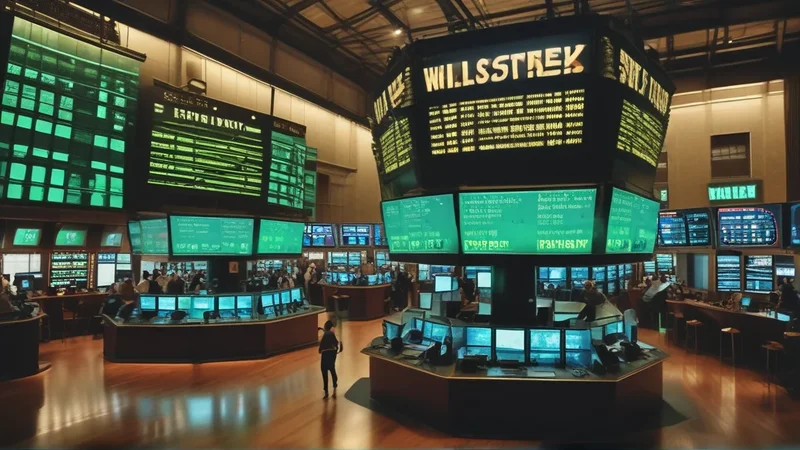
Asian equities shed early gains this morning as tier-one foundries absorbed a fresh wave of margin compression, forcing portfolio managers to reprice systemic risk across the tech stack. Central bank rate trajectories continue to collide with aggressive AI infrastructure debt consolidation, leaving global supply chains exposed. The semiconductor fabrication ecosystem—stretching from extreme ultraviolet lithography in Europe to advanced packaging hubs in Taiwan—is operating near maximum capacity utilization, leaving zero margin for error as macro volatility spikes.
The Fragility of Global Chip Manufacturing Networks
A modern 3-nanometer gate-all-around transistor crosses international borders over seventy times before it ever powers an enterprise server rack. That hyper-specialized velocity is precisely what makes the network fragile. When capital markets suffer tech-sector corrections, the shockwaves bypass primary fabrication plants and hit the deep-tier chemical refiners and rare-earth brokers hardest.
Take neon gas, hydrofluoric acid, and CMP slurries. These foundational inputs rely on single-region dominance and complex geopolitical alignments. When export controls tighten or diplomatic friction escalates in the South China Sea, lead times for lithography replacement parts stretch from weeks to quarters. Downstream industries—ranging from automotive manufacturers in Stuttgart to enterprise hyperscalers in Northern Virginia—do not face mere price inflation; they face outright production halts.
Balance sheets across the sector are currently straining under unprecedented capital expenditure requirements. Mega-cap technology firms are issuing multi-billion-dollar debt packages specifically to lock in long-term compute capacity, bypassing traditional open-market procurement entirely. This aggressive capital hoarding creates artificial scarcity for mid-market competitors, driving a wedge between well-capitalized industry titans and cash-constrained operators who cannot secure foundry allocation priority.
Capital Concentration and the AI Infrastructure Crunch

The financial architecture underwriting artificial intelligence has shifted from venture-backed experimentation to leveraged balance-sheet warfare. Sovereign-backed funds and hyperscale cloud providers are absorbing the lion’s share of high-performance GPU allocation, starving secondary market participants of essential hardware. Tier-2 cloud service providers now face a brutal Darwinian culling. Without the liquidity to service high-yield debt or secure long-term wafer commitments, smaller hosting providers are confronting rapid insolvency risks as hardware depreciation outpaces cash flow generation.
This liquidity crunch directly alters upstream foundry behavior. TSMC and Samsung prioritize high-margin enterprise logic contracts over commercial orders, forcing industrial automation and consumer electronics firms to bid aggressively for legacy nodes.
| Sector / Entity | Primary Focus | Financial / Market Position | Supply Chain Vulnerability |
|---|---|---|---|
| Mega-Scale Enterprises | Direct GPU & Hardware Procurement | Securing multi-billion dollar debt deals; high liquidity | High exposure to upstream fabrication delays |
| Specialized Cloud Providers | Mid-market AI Hosting | Facing consolidation pressures (“guppy-level death” risks) | Vulnerable to hardware allocation priority shifts |
| Traditional Foundries | Silicon Fabrication & Packaging | Operating near capacity; capital-intensive expansion | Constrained by raw material and equipment bottlenecks |
| Mid-Market Industrial Users | Domestic Manufacturing Integration | Rebuilding local workforces; shifting hiring requirements | Highly sensitive to component price volatility |
This structural bifurcation dictates market pricing power. While top-tier entities insulate themselves through multi-year capacity reservation agreements, mid-tier industrial users absorb the brunt of component price volatility, compressing operating margins across the broader manufacturing sector.
Cybersecurity Vulnerabilities in Industrial Ecosystems
Physical supply chain bottlenecks tell only half the operational story. State-sponsored threat actors and criminal syndicates have shifted their focus to the digital infrastructure underpinning advanced manufacturing. Because modern fabrication facilities rely on deeply integrated, automated machinery and software-defined logistics pipelines, a single ransomware intrusion at a tier-2 component supplier can bring assembly lines to a dead stop.
Intellectual property theft remains the primary vector for economic warfare. Tooling specifications, proprietary chip designs, and photomask blueprints are constantly targeted by foreign intelligence services aiming to leapfrog domestic development cycles. At the same time, the aggressive push toward lights-out manufacturing and highly automated industrial IoT networks has drastically expanded the digital attack surface. Corporate treasurers and Chief Information Security Officers are discovering that operational technology (OT) layers are frequently defended with legacy software that offers zero protection against modern lateral movement techniques.
Mitigating these risks requires treating digital security as an existential balance-sheet issue rather than an IT department checklist item. When a cyber incident halts the flow of specialized silicon, the financial fallout manifests immediately in missed quarterly guidance and credit rating downgrades.
Action Plan
Navigating this compressed macroeconomic and operational environment demands a programmatic, risk-adjusted capital allocation strategy. Market participants must transition from reactive crisis management to proactive supply chain engineering.
-
Execute Tier-1 and Tier-2 Vulnerability Audits Map every single-source dependency across your microchip and cloud infrastructure suppliers. Identify exposure to over-leveraged tier-2 cloud providers facing imminent consolidation, and establish secondary vendor relationships in politically insulated jurisdictions.
-
Enforce Zero-Trust Architecture Across Operational Technology Isolate industrial control systems from corporate networks. Deploy mandatory multi-factor authentication, hardware security modules, and continuous runtime behavioral monitoring to prevent lateral movement from compromised enterprise IT systems into mission-critical manufacturing execution environments.
-
Transition to Predictive Strategic Inventory Modeling Abandon legacy just-in-time inventory models for critical silicon components. Maintain dynamic, forward-looking safety stocks of high-demand microcontrollers and power management ICs while utilizing real-time telemetry from logistics providers to spot early warning signs of transit bottlenecks.