The Digital-Physical Nexus: Energy Commodity Pricing in the AI Era

The global energy complex has evolved into a high-stakes arena where digital infrastructure is no longer a peripheral utility, but a primary driver of physical commodity volatility. We have transitioned from a market driven by geopolitical supply shocks to one increasingly governed by the “compute-power trap”—where the insatiable energy requirements of AI infrastructure clash with the rigid, aging logistics of traditional fuels.
When an administration taps the Northeast Heating Oil Reserve to artificially depress prices before an election, it is not merely managing a seasonal supply issue; it is a signal of acute fragility in the distillate markets. The market is currently pricing in a structural imbalance between the massive, sustained capital expenditure of the tech giants and the inelastic output of the energy grid. Investors who continue to analyze energy through the lens of crude oil benchmarks alone are ignoring the most significant variable in the modern equation: the digital-physical link.
The Compute-Power Trap: AI’s Physical Footprint
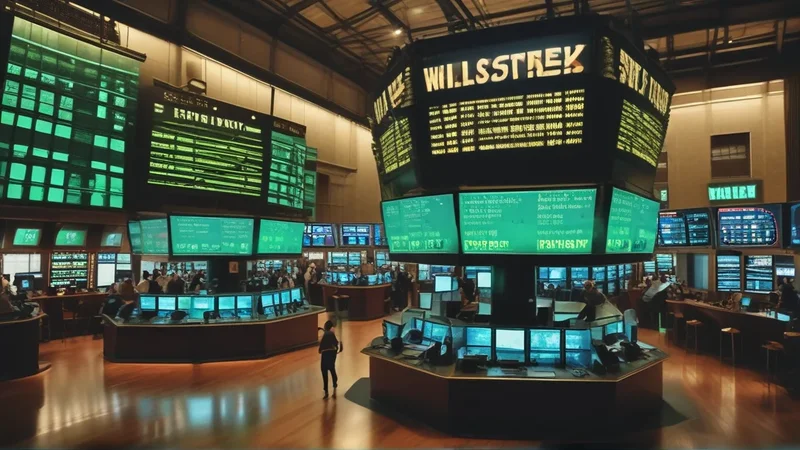
The relentless capital allocation toward AI—led by the hyperscalers—has fundamentally altered the demand curve for electricity. Meta’s structural reorganization to facilitate massive AI-related Capex is not just a tech story; it is a long-term buy order on grid capacity.
The industry response, exemplified by Nvidia’s Vera-Rubin architecture and liquid-cooling modularity, is a desperate attempt to decouple AI compute from the physical limits of current power generation. This is not mere technical innovation; it is a defensive hedge against the localized supply shocks that follow data center clusters. When these centers demand load stability that grids cannot provide, utilities are forced into high-cost, spot-market procurement. This forces a spike in marginal costs that ripples through regional energy indices.
| Metric | Traditional Data Center | Nvidia DSX POD / Vera-Rubin |
|---|---|---|
| Cooling Method | Air-cooled (HVAC) | Liquid-cooled (Direct-to-chip) |
| Deployment Time | 18–24 months | Weeks |
| Energy Density | Moderate | High (optimized for AI) |
| Water Usage | High (evaporative cooling) | Low (closed-loop liquid) |
The institutional takeaway here is that “efficiency” is now a proxy for operational survival. Companies unable to deploy these modular, energy-efficient solutions are effectively long on volatile, high-priced grid energy. As demand concentrates, we expect to see a widening spread between energy-efficient data infrastructure and legacy facilities, with the latter increasingly vulnerable to regulatory interventions and forced curtailment during peak demand.
Distillate Fragility and the Illusion of Inventory

Governmental tactical interventions, such as the release of 315,000 barrels from the Northeast Heating Oil Reserve, provide a temporary buffer for price optics, but they fundamentally exacerbate the underlying supply-chain risk. Heating oil, as a middle distillate, is inherently linked to diesel fuel. By depressing heating oil prices, the government is essentially distorting the market signal that governs the movement of heavy transport.
The institutional danger is simple: these reserves are finite. The market’s current price suppression is a form of artificial calm that ignores the restocking imperative. When the heating season reaches its apex and the state begins the inevitable task of refilling these reserves, the resulting demand spike will collide with the industrial need for diesel. We are moving toward a period where administrative price suppression today guarantees a violent price rebound tomorrow. Firms holding energy-intensive logistics assets are currently mispricing this tail risk. They are buying into a transitory dip while ignoring the structural restocking cycle that will dominate Q1 and Q2.
The Digital-Physical Nexus: Cyber-Risk as a Price Driver
The recent systemic vulnerabilities in global digital infrastructure—such as the PHP-related outages—are not merely IT issues; they are volatility catalysts for the physical economy. Commodity markets rely on a fragile chain of digital clearinghouses, ERP systems, and automated procurement protocols. When these systems falter, price discovery breaks down instantly.
This is the new frontier of systemic risk. We are no longer discussing “cybersecurity” as a cost of doing business; we are discussing the integration of digital uptime into commodity price indices. A web-based clearinghouse failure directly impacts the spot-price index for diesel by creating immediate information asymmetry. In this environment, the “cyber-readiness” of an energy firm is a quantifiable valuation metric. We suggest moving beyond general cybersecurity audits and toward a rigorous assessment of digital-dependency ratios: the percentage of a firm’s supply chain that hinges on interconnected, web-exposed platforms versus legacy, non-networked fail-safes.
Companies that lack redundant, offline logistics protocols are now essentially levered bets on the stability of the global internet. This is an unhedged exposure that most institutional portfolios have yet to appropriately discount.
Institutional Strategy: Hedging the Convergence
Market participants must stop treating energy volatility as a weather-dependent phenomenon and start viewing it as an infrastructure-dependency phenomenon. The objective is to decouple capital performance from the erratic state of regional power grids and the vulnerability of digital-physical interfaces.
Actionable Strategic Mandates
- Quantify the Digital-Dependency Risk: Move beyond qualitative assessments of cyber-readiness. Require companies in your energy portfolio to disclose the percentage of supply chain workflows that lack manual or offline overrides. Treat high “Digital-Dependency Ratios” as a negative alpha factor; these firms are susceptible to liquidity crunches the moment a software flaw halts trading interfaces.
- Arbitrage the Restocking Cycle: Given the political pressure to suppress heating oil/distillate prices, focus on the inverse relationship between reserve releases and future restocking demand. Position for a volatility premium on diesel/heating oil derivatives in the 6-month forward market, as the inevitable drain on inventories by Q1 will force a higher replacement cost, regardless of the broader macro environment.
- Institutional Preference for “Efficiency-Integrated” Assets: Prioritize infrastructure providers and utility-heavy portfolios that exhibit clear transitions to liquid-cooled, modular energy designs. Firms that have already integrated these efficiencies are less vulnerable to the localized power-grid spikes caused by the AI compute-boom. Avoid assets with high exposure to legacy data center architecture, as they represent stranded-cost risks in an environment where grid load-balancing is increasingly favoring efficiency-optimized operators.
The market has shifted. We are currently in an era where the ability to manage the intersection of bits and barrels determines the margin of success. Those who continue to view energy as a purely physical commodity will find themselves caught on the wrong side of the next digital outage—and the subsequent supply-chain dislocation it triggers.